
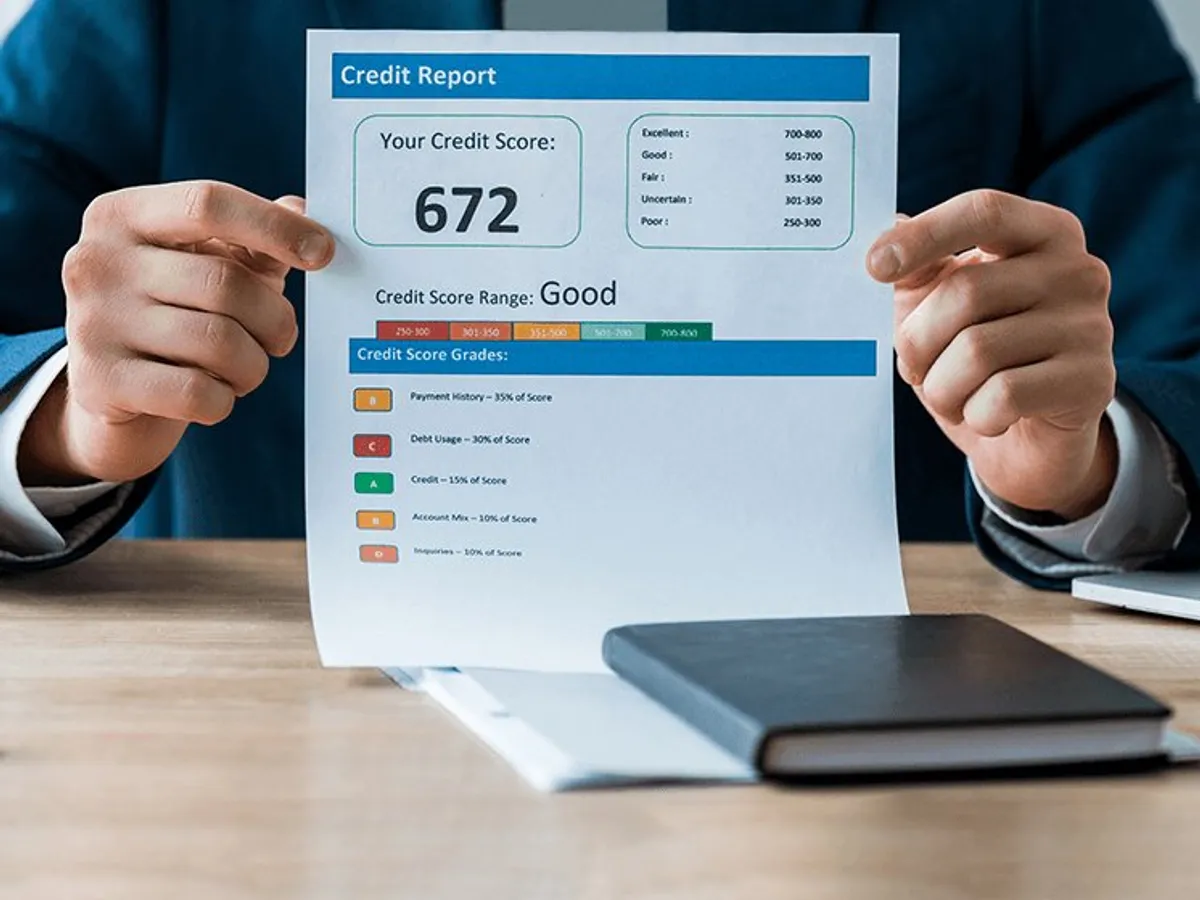

In modern finance, credit is an essential mechanism that allows individuals, businesses, and governments to access resources beyond their current cash flow. Credit enables economic growth, facilitates personal and business investment, and serves as a cornerstone of financial planning. Whether it involves consumer loans, corporate financing, or government borrowing, understanding the nuances of credit is critical for making informed financial decisions. This article explores the multifaceted aspects of credit, its types, benefits, risks, and strategies for optimal management.
What is Credit?
Credit refers to the ability to borrow money or access goods and services with a promise to pay back in the future. The concept of credit is built on trust between the lender and borrower, often underpinned by legal agreements and financial instruments. It serves as a bridge between current needs and future financial resources, allowing for flexibility in managing expenditures and investments.
Credit is not just a financial tool; it is also a reflection of an individual’s or organization’s financial reputation and reliability. Creditworthiness, often measured through credit scores or ratings, determines the terms and availability of credit. Strong credit enables access to lower interest rates and more favorable loan terms, while poor credit can limit financial opportunities.
Types of Credit
Credit comes in various forms, each suited to different financial needs. Understanding these types helps borrowers and investors make informed decisions.
Revolving Credit
Revolving credit allows borrowers to access a pre-approved credit limit repeatedly as long as the outstanding balance is paid back. Common examples include credit cards and lines of credit. Key features of revolving credit include:
- Flexible borrowing and repayment schedules
- Interest charges only on the amount utilized
- Potential for long-term financial management if used responsibly
Installment Credit
Installment credit involves borrowing a fixed amount and repaying it through scheduled installments over a specific period. Mortgages, car loans, and personal loans are examples. Benefits include:
- Predictable monthly payments
- Clear repayment timeline
- Potential for lower interest rates compared to revolving credit
Secured Credit
Secured credit is backed by collateral, such as property, vehicles, or savings accounts. The collateral reduces the lender’s risk and often results in lower interest rates. Examples include:
- Home equity loans
- Auto loans
- Secured lines of credit
Unsecured Credit
Unsecured credit does not require collateral and is based solely on the borrower’s creditworthiness. While convenient, it often comes with higher interest rates due to increased lender risk. Credit cards, personal loans, and student loans typically fall under this category.
Trade Credit
Trade credit is common in business-to-business transactions, where suppliers allow buyers to purchase goods or services and pay at a later date. This type of credit helps businesses maintain cash flow and manage operational costs efficiently.
Open Credit
Open credit requires the borrower to pay the full balance periodically, often monthly. Utilities, charge cards, and some service agreements use this model. Failure to pay on time can result in penalties or service interruption.
The Importance of Credit
Credit plays a vital role in both personal and organizational financial strategies. Its significance extends across several areas:
Facilitating Major Purchases
Credit enables individuals and businesses to acquire significant assets without waiting to accumulate funds. Mortgages allow home ownership, auto loans facilitate vehicle purchase, and business loans fund expansion projects.
Supporting Economic Growth
At a macro level, credit drives economic activity. Access to affordable credit allows businesses to invest in infrastructure, hire employees, and innovate, thereby stimulating economic development.
Financial Flexibility
Credit provides a safety net for unexpected expenses. Emergency loans or credit lines allow households and businesses to manage cash flow shortages without disrupting operations or lifestyle.
Building Creditworthiness
Responsible credit use helps build a strong credit history, which influences future borrowing capacity, insurance premiums, and even employment opportunities in some cases. A strong credit record demonstrates reliability and financial discipline.
Credit Risk and Management
While credit provides opportunities, it also carries inherent risks. Poor management can lead to debt accumulation, financial instability, and damaged credit scores.
Types of Credit Risk
- Default Risk: The borrower fails to meet repayment obligations.
- Interest Rate Risk: Fluctuating interest rates impact the cost of borrowing.
- Liquidity Risk: Inability to convert assets into cash to meet credit obligations.
- Fraud Risk: Misrepresentation or fraudulent activity by the borrower or lender.
Strategies for Effective Credit Management
- Assess Needs Carefully: Borrow only what is necessary and ensure repayment capacity.
- Maintain Timely Payments: Consistent repayment protects credit scores and reduces penalties.
- Monitor Credit Reports: Regularly reviewing credit reports helps identify errors or fraudulent activity.
- Diversify Credit Types: Using a combination of revolving, installment, and secured credit can balance risk and cost.
- Keep Credit Utilization Low: High utilization ratios negatively affect credit scores.
Credit Scoring and Rating Systems
Creditworthiness is measured through credit scores and ratings, which influence borrowing terms and access.
Credit Scores
Credit scores, such as FICO or VantageScore, evaluate an individual’s borrowing behavior using factors like:
- Payment history
- Outstanding debt
- Length of credit history
- Types of credit accounts
- Recent credit inquiries
Scores typically range from 300 to 850, with higher scores indicating lower risk and better access to favorable credit terms.
Credit Ratings for Businesses
Businesses are rated by agencies such as Moody’s, Standard & Poor’s, and Fitch. Ratings reflect the company’s ability to meet financial obligations and are crucial for obtaining corporate loans, bonds, and investment opportunities.
The Role of Credit in Investment and Wealth Building
Credit is not just a tool for borrowing; it can be leveraged strategically to build wealth and invest in opportunities.
- Leveraged Investments: Borrowing funds to invest in stocks, real estate, or business ventures can amplify returns if managed prudently.
- Credit for Business Expansion: Entrepreneurs use credit to scale operations, purchase equipment, or hire talent, fueling long-term growth.
- Education Financing: Student loans enable access to higher education, which often leads to higher earning potential.
Legal and Regulatory Considerations
Credit is governed by various laws and regulations to protect consumers and lenders. Key regulations include:
- Truth in Lending Act (TILA): Ensures transparent disclosure of credit terms and interest rates.
- Fair Credit Reporting Act (FCRA): Governs the collection and use of consumer credit information.
- Equal Credit Opportunity Act (ECOA): Prevents discrimination in lending practices.
- Banking Regulations: Federal and state regulations monitor credit issuance, interest rates, and lender solvency.
Understanding these legal frameworks is essential for borrowers to protect their rights and for lenders to maintain compliance.
Practical Tips for Responsible Credit Use
Individuals and businesses can adopt specific practices to optimize credit benefits while minimizing risks:
- Set a realistic budget and avoid borrowing beyond repayment capacity.
- Pay at least the minimum balance on revolving credit to maintain positive credit history.
- Use secured credit options to access lower interest rates where possible.
- Avoid frequent credit inquiries to prevent negative impacts on scores.
- Educate yourself on the terms and conditions of all credit agreements.
The Future of Credit
The landscape of credit is evolving rapidly due to technological advancements, fintech innovation, and changing consumer behavior. Key trends shaping the future include:
- Digital Lending Platforms: Online and app-based lending offers faster approval, personalized rates, and broader access.
- Artificial Intelligence and Credit Scoring: AI-powered algorithms analyze non-traditional data sources to assess creditworthiness more accurately.
- Blockchain and Smart Contracts: Blockchain technology enhances transparency, reduces fraud, and automates credit agreements.
- Financial Inclusion: Expanded access to credit in emerging markets empowers individuals and small businesses, driving economic growth.
FAQs About Credit
1. How does credit affect personal finance?
Credit impacts borrowing capacity, interest rates, and access to financial products. Responsible use can improve credit scores and financial stability.
2. What is the difference between secured and unsecured credit?
Secured credit requires collateral, reducing risk for the lender and often offering lower interest rates. Unsecured credit has no collateral and typically higher interest rates.
3. Can businesses use credit to expand operations?
Yes. Business loans, lines of credit, and trade credit enable companies to invest in growth, purchase equipment, and manage cash flow.
4. How can I improve my credit score?
Timely payments, low credit utilization, diverse credit types, and monitoring credit reports are essential strategies for improving scores.
5. What are the risks of misusing credit?
Misuse can lead to high debt, penalties, poor credit scores, limited borrowing capacity, and financial instability.
6. How is credit scoring determined for individuals?
Factors include payment history, debt levels, length of credit history, types of accounts, and recent inquiries.
7. Is access to credit important for economic growth?
Absolutely. Credit enables consumer spending, business investment, and government projects, all of which stimulate economic development.
8. How is digital technology changing credit management?
Fintech tools allow real-time monitoring, automated repayments, and AI-driven credit scoring, making credit management more efficient and accessible.
